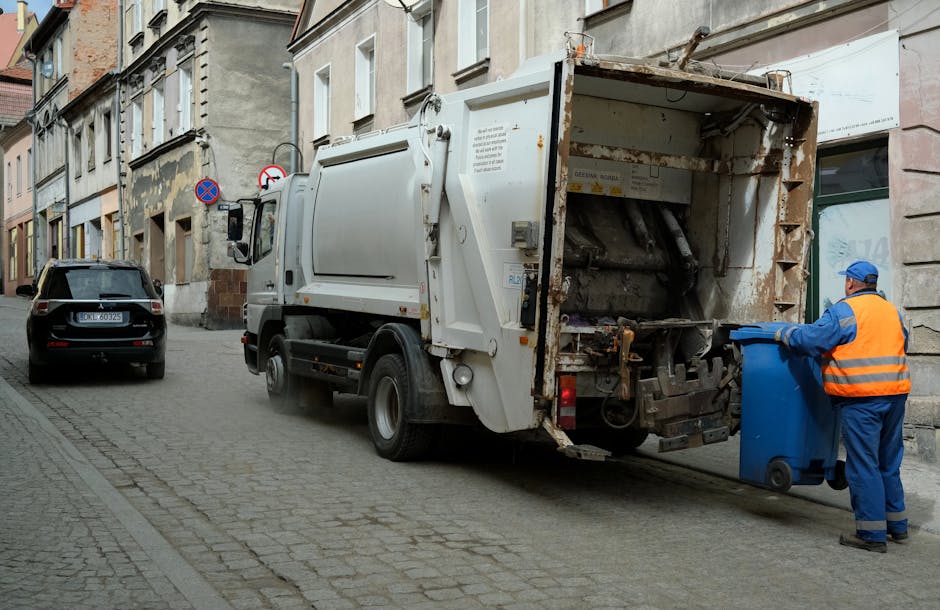
Packhorse Road Gerrards Cross rubbish removal guide
If you live, work, or manage a property near Packhorse Road in Gerrards Cross, rubbish has a habit of building up at exactly the wrong time. A hallway fills with boxy bits of packaging, a garden corner starts looking tired, or a flat clearance turns into three separate piles before you've even had a proper cup of tea. This Packhorse Road Gerrards Cross rubbish removal guide is here to make the whole process feel manageable, not messy.
Whether you're dealing with household clutter, leftover renovation waste, office items, or a bulky item that won't fit in the car, the key is choosing the right clearance method, knowing what can be removed, and avoiding a few common mistakes. Let's walk through it clearly, with the local realities in mind.
Table of Contents
- Why Packhorse Road Gerrards Cross rubbish removal guide Matters
- How Packhorse Road Gerrards Cross rubbish removal guide Works
- Key Benefits and Practical Advantages
- Who This Is For and When It Makes Sense
- Step-by-Step Guidance
- Expert Tips for Better Results
- Common Mistakes to Avoid
- Tools, Resources and Recommendations
- Law, Compliance, Standards, or Best Practice
- Options, Methods, or Comparison Table
- Case Study or Real-World Example
- Practical Checklist
- Conclusion
- Frequently Asked Questions
Why Packhorse Road Gerrards Cross rubbish removal guide Matters
Packhorse Road is one of those stretches where practicality matters. Homes, flats, offices, and small businesses all sit close together, which means waste can quickly become an eyesore or a logistical headache if it is left too long. In a busy local setting, rubbish removal is not just about tidying up. It is about keeping access clear, reducing stress, and making sure waste is handled properly from the start.
There is also a simple truth here: rubbish usually creates more rubbish. A few broken chairs become mixed waste, then packaging, then dust sheets, then that awkward old appliance nobody wants to touch. If you wait too long, the job becomes bigger than it needed to be. That is where a clear plan helps.
For many people, this kind of guide is useful because it turns a vague problem into a sequence of decisions: what needs to go, what can be reused, what needs specialist handling, and what should be booked for collection. That is a lot easier than staring at a pile and hoping it sorts itself out. It never does, by the way.
Local rubbish removal also matters for safety and neighbourly living. Bags left in the wrong place, items stored in communal areas, and waste piled near the kerb can create trip hazards, block entrances, or attract complaints. If you're managing a property or business, those little delays can become bigger issues very quickly.
How Packhorse Road Gerrards Cross rubbish removal guide Works
At a practical level, rubbish removal follows a fairly simple pattern. You identify the waste, sort it into the right category, decide whether it can be reused or recycled, and then arrange collection or disposal using the most suitable method. What changes from job to job is the type of waste, the volume, and how quickly you need it gone.
For example, a small domestic clearance might involve bagged household waste, an old sofa, and a broken table. A builder's clearance could include timber offcuts, plasterboard, packaging, and rubble. A business clearance may be more sensitive, especially if you have confidential paperwork or items that need careful handling. Different waste, different approach.
If you want to keep things streamlined, it helps to think in stages:
- Assess the waste and remove anything you want to keep.
- Separate reusable items from true rubbish.
- Identify bulky, electrical, hazardous, or confidential items.
- Choose a removal method that suits the size and type of waste.
- Arrange collection and make access as easy as possible.
- Check that the final load is taken away responsibly.
That last point is easy to overlook. Yet responsible disposal and recycling should be part of the plan, not an afterthought. If you're comparing options, the wider waste removal approach matters just as much as speed.
Key Benefits and Practical Advantages
The strongest reason to use a structured rubbish removal service is simplicity. You do not have to borrow a van, make multiple trips, or try to guess what goes where. You also avoid the classic half-finished Saturday job where the driveway looks tidier, but the garage somehow looks worse. We have all seen that one.
Here are the main benefits people usually notice:
- Time saved: One collection is often more efficient than several self-haul trips.
- Less physical strain: Bulky items, awkward staircases, and heavy bags are easier when handled by experienced crews.
- Cleaner presentation: Useful for homes for sale, rental turnovers, office moves, or post-renovation resets.
- Better sorting: Recyclable materials and reusable items can be separated more sensibly.
- Reduced stress: The job moves from "someday" to "done."
There is also a financial angle, even if it is not always obvious. Poorly planned waste removal often leads to wasted time, extra fuel, missed skips, or items being left behind because they were awkward to move. A straightforward collection can be the more cost-effective option once you factor in the full picture.
For some jobs, specialist services are the real advantage. A large office tidy-up may need office clearance, while a property move may be better served by house clearance or home clearance. Matching the method to the job is where the value sits.
Who This Is For and When It Makes Sense
This guide is useful for a wide mix of people around Packhorse Road and the wider Gerrards Cross area. The likely scenarios are familiar enough:
- Homeowners clearing clutter, lofts, garages, or spare rooms
- Renters needing a quick flat reset before moving out
- Landlords preparing a property between tenancies
- Builders and decorators with leftover project waste
- Small businesses replacing furniture or clearing storage space
- Anyone with bulky items that are difficult to move safely
Sometimes the decision is obvious. A smashed wardrobe in the hallway is not going to disappear politely on its own. At other times, the call is more judgement-based. Maybe you only have a few items, but they are awkward, dirty, or too heavy to carry downstairs. In that case, even a small collection can save a surprising amount of hassle.
It also makes sense when time matters. Maybe the estate agent is due tomorrow. Maybe the builders are returning Monday. Maybe you simply want your space back before the week starts. Truth be told, that "I'll do it later" approach tends to cost more energy than just dealing with it properly.
For small business owners, a business waste removal plan can keep back rooms, storage areas, and staff spaces from turning into unofficial dumping grounds. That alone can make the workplace feel calmer.
Step-by-Step Guidance
If you want to handle rubbish removal well, keep the process practical and unhurried. Here is a sensible sequence to follow.
1. Walk through the space and identify every item
Start with a proper look, not a rushed glance. Waste often hides in plain sight: a broken lamp in a corner, packaging under furniture, an old rug rolled behind a door. Make a list or take photos so you can see the full job.
2. Separate what stays, what goes, and what might be reused
This step is worth a bit of discipline. Reusable items, like decent furniture or appliances, may deserve a separate decision. If you have furniture in usable condition, look at whether furniture clearance or furniture disposal is more appropriate for the item's condition.
3. Identify special waste early
Electrical items, fridges, freezers, mattresses, chemicals, and paint tins can change the collection requirements. They are not always impossible to remove, but they do need to be handled properly. If in doubt, flag them early rather than slipping them into the wrong pile. That is where problems start.
4. Check access points
Think about stairs, narrow hallways, parking, loading space, and any shared entrances. A perfectly planned collection can still become awkward if nobody can get the item out. Clear a route where possible. Move small objects. Protect flooring if needed. Small effort, big difference.
5. Decide on the most suitable removal method
Some clearances are best handled as a direct collection. Others may suit a larger-scale service such as builders waste clearance, garden clearance, or garage clearance. The more specific you are, the easier it is to get an accurate estimate of effort and cost.
6. Ask for a clear quote and confirm what is included
Before booking, make sure you understand what is covered: labour, loading, transport, disposal, and any extra handling for certain items. A clear quote avoids awkward surprises later. Nobody enjoys discovering a "small extra" after the van is loaded. Nobody.
7. Prepare the waste for collection
If possible, bag loose rubbish, flatten cardboard, and group similar items together. Do not overpack bags so much that they split on the stairs. A little preparation makes the collection faster and safer.
Expert Tips for Better Results
Over the years, the jobs that go most smoothly tend to have one thing in common: the client has done a bit of preparation and knows what they want. Nothing fancy. Just enough planning to stop the day from drifting.
Here are the tips that genuinely help:
- Photograph the waste before booking. It helps with quoting and avoids confusion about volume.
- Group items by type. Mixed waste is manageable, but a cleaner sort makes recycling easier.
- Keep access clear. Even 10 minutes spent clearing a hallway can save much more later.
- Separate confidential paper early. If paperwork is involved, use confidential shredding rather than mixing it with general waste.
- Ask about recyclables. Responsible operators should explain how they handle reusable and recyclable material.
- Be realistic about timing. A rushed job can be done, but not every job should be rushed.
One small but useful habit is to keep a "maybe" pile. If you are not sure whether an item is staying, donating, or going, place it somewhere separate for a day. That pause often clears the decision. Strange, but it works.
If you have large appliances or awkward white goods, a dedicated fridge and appliance removal service is usually safer and cleaner than trying to force the item into a general pile. Same story with soft furnishings; a targeted service such as mattress and sofa disposal can be a much better fit.
Common Mistakes to Avoid
The most common mistakes are usually not dramatic. They are small, practical oversights that turn into bigger problems on the day.
- Not measuring bulky items. A sofa or wardrobe may look manageable until it reaches the staircase.
- Leaving sorting until collection day. That slows everything down and can muddy the quote.
- Mixing specialist waste with general rubbish. Electricals, hazardous items, and confidential documents should be treated separately.
- Ignoring access issues. Parking and entry routes matter more than people expect.
- Assuming all waste can go together. It cannot, and occasionally that assumption causes a proper headache.
- Booking the wrong type of service. A loft, a garage, and a garden all create different waste profiles.
Another mistake is underestimating how long it takes to gather things properly. Ten minutes here, five minutes there, and suddenly it is lunchtime. Better to set aside a proper slot and finish the job in one go if possible.
For property clearances, the distinction between flat clearance, home clearance, and loft clearance may sound minor, but it often changes the time, access, and labour involved.
Tools, Resources and Recommendations
You do not need a van full of equipment to get organised, but a few basic tools help a great deal. A simple approach is usually best.
- Heavy-duty bin bags or rubble sacks
- Marker pen and tape for labelling
- Gloves with a good grip
- Basic dust sheets or cardboard to protect floors
- Phone camera for photos and item lists
- Tape measure for bulky items and access points
If you are comparing services or trying to understand what suits your job, the company's information pages can be genuinely useful. For example, you can review pricing and quotes if you want a better sense of how estimates are structured, or look at recycling and sustainability if responsible disposal matters to you. That is usually a better use of time than guessing.
For people who want a broader overview of service scope, home clearance and waste removal can be useful reference points. If you are dealing with outdoor waste, garden clearance is the more relevant route. The closer the service matches the waste, the smoother the result tends to be.
Law, Compliance, Standards, or Best Practice
Rubbish removal is not something to treat casually. In the UK, waste has to be handled responsibly, and anyone producing waste still has a duty to make sure it goes to the right place. You do not need to become a compliance expert, but you should be careful about who handles your rubbish and how it is treated.
Best practice usually means:
- Confirming that waste is collected and disposed of responsibly
- Keeping hazardous or specialist items separate
- Using proper handling for electricals and sharp items
- Avoiding fly-tipping or informal dumping arrangements
- Making sure confidential paperwork is destroyed securely
If the job involves potentially risky materials, take extra care. Hazardous waste is a separate category for a reason, and it should not be mixed with normal household rubbish. Where applicable, use a service such as hazardous waste disposal and ask clear questions about handling, segregation, and transport.
Health and safety is also a real issue, especially in tight access, lofts, or garages where items can be dusty, heavy, or sharp. A provider that explains its safety approach through health and safety policy and insurance and safety information is usually giving you a more trustworthy picture of how they work.
For builders and renovators, some materials may be better managed through a dedicated service such as builders waste clearance. It keeps the job aligned with common site practice and avoids mixing different waste streams unnecessarily.
Options, Methods, or Comparison Table
There is more than one way to deal with rubbish near Packhorse Road, and the best choice depends on volume, access, timing, and the type of waste. Here is a simple comparison.
| Method | Best for | Pros | Watch-outs |
|---|---|---|---|
| Self-haul to a facility | Small amounts and multiple suitable trips | Can be economical if you already have transport | Time-consuming, physically demanding, and not ideal for bulky items |
| Skip-style approach | Ongoing renovation or larger mixed waste loads | Useful for projects with steady waste output | Needs space and planning; not everything is suitable |
| One-off rubbish removal | Clear-outs, bulky items, and fast turnarounds | Convenient, quick, and labour-saving | May cost more than doing it yourself for tiny loads |
| Specialist item collection | Appliances, furniture, mattresses, confidential waste | Safer and better matched to the waste type | May need advance confirmation on item handling |
If you are unsure which route fits your job, a practical question helps: do you want to save money at the cost of time and effort, or save time and reduce hassle? There is no wrong answer, but there is usually a clearer one once you have loaded the first heavy bag.
If you are considering skip-style disposal, it is worth checking what can go in a skip before you commit. That simple step can save a lot of back-and-forth.
Case Study or Real-World Example
A typical local example might be a small household on Packhorse Road preparing for redecorating. The first plan is always optimistic: "We'll just clear the spare room and the hall cupboard." Then the pile grows. There is an old chest of drawers, a broken desk chair, several bags of mixed clutter, a stripped carpet roll, and some boxes from furniture deliveries. Very normal. Very human.
The useful part came when the homeowner paused and sorted the load into four groups: keep, donate, recycle, and remove. The still-good furniture was separated from broken items. Cardboard and packaging were flattened. The carpet and old soft furnishings were grouped together. Photos were taken before collection, and the access route through the hall was cleared the night before.
The result was not glamorous, but it was neat and efficient. The collection was quicker, the quote made more sense, and the rooms were usable again before the decorators arrived. That is the sort of improvement people feel immediately. The house suddenly breathes again.
In a business setting, the same logic works for office furniture, archive boxes, and redundant equipment. A structured office clearance can prevent a rushed end-of-tenancy scramble, while confidential shredding gives reassurance when paperwork is involved.
Practical Checklist
Use this checklist before booking or starting your clearance. It keeps the job grounded and stops the usual last-minute panic.
- Identify every item that needs to go
- Separate reusable items from waste
- Remove anything you want to keep
- Measure bulky items and note access issues
- Set aside electricals, hazardous materials, and confidential paperwork
- Bag loose waste securely
- Flatten cardboard where possible
- Clear hallways, stairs, and loading areas
- Take photos for reference and quoting
- Confirm what is included in the collection
- Check whether recycling or specialist handling is needed
- Choose a service that fits the type and volume of waste
If you can tick most of those off, you are in good shape. If not, do the preparation first. It saves time later, and honestly it makes the whole thing feel lighter.
Conclusion
A good Packhorse Road Gerrards Cross rubbish removal guide should do one thing above all else: make the job feel more doable. Once you break waste removal into clear steps, the stress drops. You know what needs sorting, what can be recycled or reused, and what should be booked for proper collection.
Whether you are clearing a home, managing a rental, dealing with renovation waste, or simply trying to reclaim a bit of space, the smartest route is usually the one that combines safety, speed, and sensible handling. Not flashy. Just effective.
The best rubbish removal jobs are the ones that leave you with more room, less clutter, and that small, satisfying sense that the space is yours again.
Get a free quote today and see how much you can save.
Frequently Asked Questions
What is the best rubbish removal option for Packhorse Road in Gerrards Cross?
The best option depends on what you are clearing. For bulky items, mixed waste, or a fast turnaround, a one-off removal service is often the easiest route. For ongoing renovation waste, a skip-style option may suit better. The main thing is matching the method to the job.
Can furniture be taken away with general rubbish?
Sometimes yes, but it is often better to separate furniture from loose waste. Sofas, wardrobes, and tables can need different handling, especially if they are large or damaged. If the furniture is the main part of the job, a dedicated furniture service is usually cleaner and simpler.
What should I do with old appliances?
Old appliances should be set aside rather than mixed with general rubbish. Fridges, freezers, ovens, and similar items may need specialist handling. A proper appliance collection is safer and helps avoid disposal problems later.
Do I need to sort my waste before collection?
You do not need to create museum-level order, but some basic sorting helps a lot. Separate reusable items, general waste, electricals, and anything hazardous or confidential. It usually speeds up the collection and makes disposal more efficient.
How do I know if I need hazardous waste disposal?
If the waste includes chemicals, solvents, certain paints, contaminated materials, or anything you would not want mixed with ordinary rubbish, treat it cautiously. When in doubt, ask before collection. It is better to flag a possibly hazardous item early than to guess wrong.
Is rubbish removal suitable for flats and apartments?
Yes, absolutely. Flat clearances are common, but access needs a bit more attention. Stairs, lifts, shared hallways, and parking can all affect the job, so it helps to plan the route before collection day.
Can I book rubbish removal for an office or business?
Yes. Business waste often needs a more organised approach because of furniture, equipment, cardboard, archived paperwork, and timing pressures. A business-specific collection is usually the neatest way to handle it.
What is the difference between house clearance and home clearance?
In practice, the terms are often used in similar ways, but the scope can differ depending on the property and the amount of waste involved. A house clearance may suit a whole-property job, while home clearance can be used more broadly for residential clear-outs.
How can I prepare for a rubbish collection quickly?
Take photos, make a pile of what is going, bag loose waste, flatten cardboard, and clear a route to the door. Those few actions make a surprising difference. Not glamorous, but very effective.
Can confidential papers be removed with other waste?
They should not be treated casually. If you have sensitive paperwork, use a secure shredding solution rather than putting it into mixed rubbish. It is a small step that protects privacy and gives peace of mind.
What if I only have a few items?
Small loads can still be worth removing if the items are bulky, awkward, or difficult to transport. A broken wardrobe, a mattress, or a couple of heavy bags can be more trouble than they look. Sometimes a small job is the one that makes the biggest difference to the room.
Where can I learn more about recycling and disposal choices?
It helps to read service pages that explain accepted items, recycling approach, and booking expectations. If you are weighing up options, the pages on pricing, sustainability, and specific clearance types are a sensible place to start.