Commercial Waste Gerrards Cross — Complaints Procedure
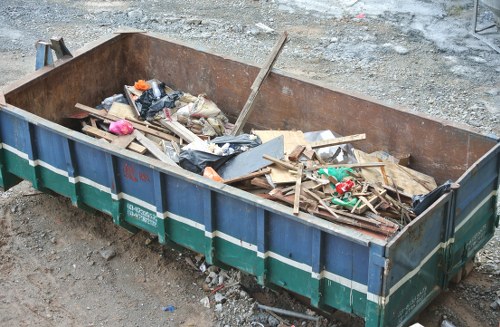 This document sets out the formal complaints procedure for organisations using commercial waste services in the Gerrards Cross area. It explains how complaints about business waste collection, recycling collections, commercial rubbish removal or related service delivery will be recorded, investigated and resolved. The policy applies to all corporate customers, contractors and partners and aims to ensure transparent, consistent and timely handling of concerns.
The scope of this complaints policy covers the full range of commercial waste operations, including missed collections, contamination issues, invoicing disputes connected to commercial waste in Gerrards Cross, service quality and contractor performance. Complainants may be customers, authorised representatives of a company, or third parties with a legitimate interest. All complaints will be handled fairly and without prejudice; matters that are or become subject to legal proceedings may be managed differently to preserve legal privilege and avoid prejudice to litigation.
 How a complaint can be made is stated in the service terms: complaints should be submitted in writing or recorded through agreed account channels so there is a clear, auditable record. On receipt the operator will log the complaint and provide an acknowledgement. Timelines for acknowledgement and investigation will be based on the severity of the matter and the nature of the Gerrards Cross commercial waste service affected, with priority given to incidents presenting health, safety or environmental risk.
Acknowledgement and Initial Assessment
On acknowledgement the complaint will be allocated a unique reference number and an initial assessment will be made to determine the appropriate level of investigation. Assessments will consider the type of commercial rubbish service, contractual obligations, any regulatory implications and evidence provided. The assessor will identify whether an immediate remedial action is appropriate or whether a formal investigation should proceed. Confidentiality will be preserved where requested, subject to legal or regulatory disclosure obligations.The investigation stage for Gerrards Cross commercial waste matters will consist of fact-gathering, review of operational records, interview of involved staff or contractors and examination of any photographic or documentary evidence. Where necessary, site inspections will be arranged. Investigations aim to be proportionate, objective and completed without unreasonable delay. The investigator may convene a technical review for complex recycling or hazardous waste complaints.

Timescales and Responses
Complainants will normally receive an initial acknowledgement within five working days and a substantive response within twenty-eight calendar days, unless there is a clear reason for extension. If additional time is required the complainant will be informed of the reason for the extension and an anticipated date for final response. Outcomes will be recorded in writing and will set out findings, remedies offered and any corrective actions planned. Where appropriate, the outcome may include an apology, service correction, remedial action or contractual remedy.Potential outcomes for complaints about commercial waste services include operational corrections, revised waste collection schedules, procedural changes, additional staff training and, in limited cases, financial adjustments consistent with service terms. Remedial actions are aimed at preventing recurrence and restoring service standards. Examples of potential actions include:
- review and adjustment of collection routes or timings;
- opportunities for additional training or supervision of crews;
- process changes to reduce contamination or improve recycling rates;
- formal contractual remedies such as credits or service re-performance where contractually permissible.
All decisions will be documented. The complainant will receive a clear statement of findings and the rationale for any remedial step. If the complaint concerns waste handling standards that could affect public health or environmental protection, the matter may be escalated to the appropriate regulatory body in accordance with statutory duties.
Records of complaints are maintained to support continuous improvement of commercial waste operations. The complaint record will include the complaint details, investigation notes, findings, remedies applied and an audit trail of correspondence. Records are retained in line with data protection and retention policies and are accessible for internal review. Personal data is processed lawfully and with respect for privacy; complainants have rights under applicable data protection principles regarding access and correction of their personal information.
Unacceptable behaviour — such as abusive, threatening or unreasonable conduct by complainants — will be managed in accordance with a separate policy. The organisation retains the right to close or limit contact where behaviour is abusive or where repeated, unreasonable complaints are pursued without new information. Time limits for raising concerns are reasonable; complaints should be made promptly, and ordinarily within a timeframe consistent with operational record retention periods to enable effective investigation.
 Implementation and follow-up of corrective actions will be monitored. Actions arising from investigated complaints will be assigned to responsible officers and tracked to completion. Where systemic issues are identified, a root cause analysis will be conducted and prevention plans developed. The provider will report internally on complaint trends in order to improve standards of the business waste Gerrards Cross service and to reduce recurrence rates through targeted improvement initiatives.
 Appeals and escalation within the organisation are available for complainants dissatisfied with the initial outcome. An internal review will be conducted by a manager not previously involved in the case and a formal second-stage response issued. If the complaint remains unresolved after internal escalation, complainants may be advised of the option to refer the matter to the relevant external regulatory body or an independent dispute resolution entity, subject to the terms of the contract and the nature of the complaint.
Monitoring and continuous improvement are fundamental to this procedure. Aggregate complaint data will be analysed periodically to identify service failure patterns and to inform operational changes. The aim is to deliver reliable, compliant and customer-focused commercial waste services across the service area. Consistency and accountability underpin every aspect of complaints handling.
This complaints procedure is maintained as part of the organisation’s governance framework for commercial waste management. It is reviewed periodically to reflect changes in law, regulation and best practice, ensuring that complaints about collections, recycling, trade waste disposal and commercial rubbish services are managed in a professional, proportionate and legally compliant manner.
