Commercial Waste Gerrards Cross — Recycling and Sustainability
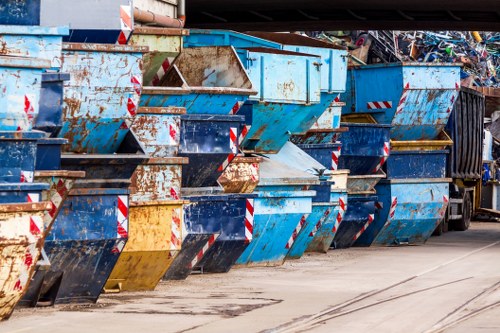
Welcome to our overview of how Commercial Waste Gerrards Cross is evolving into an eco-friendly waste disposal area and a model for a sustainable rubbish area. Local businesses, property managers and facilities teams are increasingly focused on reducing landfill, diverting resources back into the economy and improving the environmental performance of commercial collections. This page outlines targets, local transfer stations, charity partnerships and the low-carbon van programmes that support greener commercial waste management across the town and nearby boroughs.Our Recycling Percentage Target and Performance Goals
We have set a clear recycling percentage target for commercial collections: a progressive aim to achieve 70% recycling of commercial waste streams by 2030 across the Gerrards Cross catchment. This target reflects both national ambition and local opportunity: by separating dry mixed recycling, food and organic waste, and construction and demolition materials at source, commercial premises can make a measurable reduction in residual waste. Monitoring and reporting will use weights at transfer stations and digital manifests to confirm progress.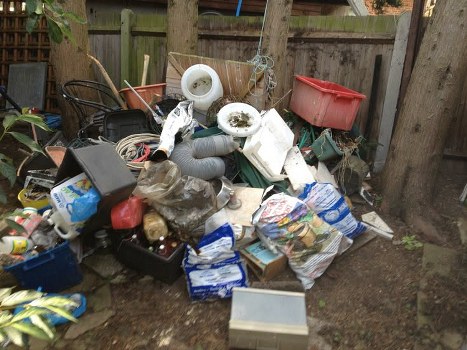
Waste Separation: Boroughs' Approach and Local Best Practice
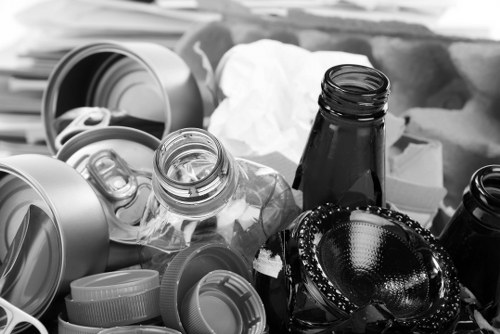
The approach taken by surrounding boroughs to commercial waste separation emphasises source segregation: paper and card, mixed plastics and cans, glass, food and garden organics, and dedicated streams for textiles and WEEE. For commercial waste in Gerrards Cross this means tailored collection schedules, on-site bin labeling, and staff training so that businesses adopt the same kerbside-style separation used by households. Consistent separation policies across neighbouring councils help recycling contractors reduce contamination and improve recycling rates.To support businesses we work with a network of local facilities and logistical touchpoints, including municipal and private transfer stations that consolidate loads for onward recycling or energy recovery. Key local transfer stations around the area handle glass, paper, organics and bulky items for processing. A coordinated transfer network reduces double-handling and vehicle miles, keeping the footprint of commercial collections lower while ensuring materials reach appropriate recycling and composting facilities.
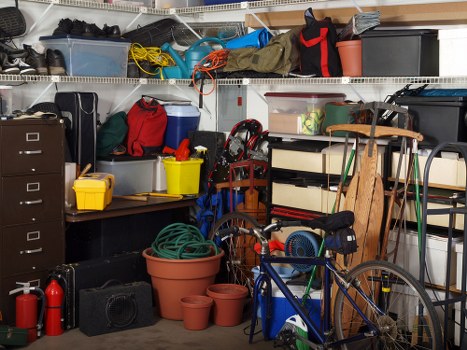 We also prioritise partnerships with charities and reuse organisations to keep items in circulation and out of the residual stream. Commercial clients are encouraged to donate working equipment, furniture and textiles to local social enterprises and charities rather than sending them to landfill or incineration. Typical reuse and redistribution pathways include:
- Collections for furniture and office equipment redistributed through community reuse schemes
- Textile and clothing donations routed to charity shops or textile recyclers
- Food surplus directed to accredited food banks and redistribution partners
These partnerships deliver social value as well as environmental gains: they reduce waste disposal costs for businesses, generate revenue or tax advantages for charitable donations, and support local communities. We encourage landlords and commercial estates to adopt donation points and scheduled charity collections as part of tenancy agreements so that reuse becomes the default for still-usable items.
 Sustainable Logistics: Low-Carbon Vans and Fleet DecarbonisationFleet decarbonisation is central to creating an eco-friendly commercial rubbish area. The move to low-emission and zero-emission vans for commercial collections reduces local air pollution and lowers carbon intensity of waste transport. Many collection operators servicing Gerrards Cross now deploy a mix of battery-electric vans for lighter urban routes and low-emission Euro-6 vehicles for heavier payloads, supported by route optimisation software to cut unnecessary mileage.
Alongside electric vehicles, additional measures include driver training in eco-driving, use of cargo bikes for micro-collection zones, and consolidation centres that minimise the number of vehicles entering the town centre. These innovations mean that businesses can access reliable commercial waste services while contributing to a demonstrable reduction in transport-related emissions.
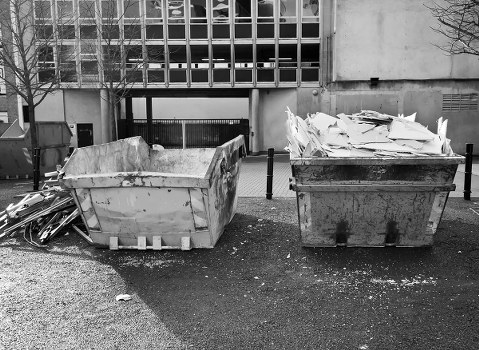 Creating a resilient, sustainable rubbish area also requires circular thinking across waste streams. For commercial clients this means prioritising reduction and reuse, then carefully segregating recyclables and organics and only sending truly uncontaminated residuals to energy recovery or landfill. Clear labeling, regular audits and incentives such as reduced fees for segregated loads help drive behavioural change. Local authorities and contractors collaborate on enforcement and education to keep contamination rates low and recycling yields high.
Implementation is measured with transparent KPIs: tonnages collected by stream, contamination percentages, percentage of commercial waste recycled against the 70% target, and carbon emissions per tonne transported. These metrics are reviewed quarterly in partnership meetings so that continuous improvement is baked into the local system. Businesses are invited to participate in reporting to demonstrate progress on their own sustainability pledges while contributing to town-wide goals.
Practical steps for commercial properties in Gerrards Cross include installing dedicated bins for glass and paper, separate containers for food waste, arranging scheduled bulky-item collections for reuse partners, and ensuring clear tenant guidelines for waste segregation. Combined with low-carbon logistics and efficient transfer station networks, these measures make the district one of the more effective eco-friendly waste disposal areas for commercial clients in the region.
By aligning corporate responsibility, municipal policy and operational innovation, Gerrards Cross is positioning its commercial waste services to be both sustainable and resilient. Through targets, local transfer stations, charity partnerships and a transition to low-carbon vans, the town can achieve a high-performing, resource-efficient commercial waste ecosystem that benefits businesses, residents and the environment alike.
